Precautions for use of safety glasses and daily cleaning and maintenance
2024-11-12
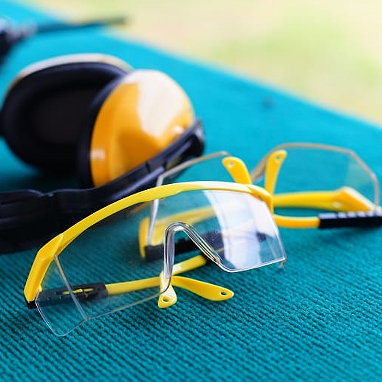
Precautions for using safety glasses:
1. The selected protective glasses should be products that have been inspected and qualified by product inspection agencies.
2. The width and size of the protective glasses should be suitable for the user's face shape.
3. Rough wear of the lenses and damage to the frames will affect the operator's vision and should be replaced in time.
4. Protective glasses should be used by designated personnel to prevent the spread of eye diseases.
5. The filters and protective films of welding goggles should be selected and replaced according to the specified work needs.
6. Prevent heavy falls and heavy pressure, and prevent hard objects from rubbing the lenses and masks.
1. The selected protective glasses should be products that have been inspected and qualified by product inspection agencies.
2. The width and size of the protective glasses should be suitable for the user's face shape.
3. Rough wear of the lenses and damage to the frames will affect the operator's vision and should be replaced in time.
4. Protective glasses should be used by designated personnel to prevent the spread of eye diseases.
5. The filters and protective films of welding goggles should be selected and replaced according to the specified work needs.
6. Prevent heavy falls and heavy pressure, and prevent hard objects from rubbing the lenses and masks.
Daily cleaning and maintenance of safety glasses:
1. Placement method
If the glasses are placed temporarily, please place the convex side of the glasses upwards. If the convex side is placed downwards, the lenses will be scratched.
2. Lens wiping method
Use a clean special lens wiping cloth. Be sure to hold the frame edge wire on one side of the wiping mirror with your hand and gently wipe the lens. Avoid excessive force to cause damage to the frame or lens.
3. When the lens is stained with dust or dirt
Dry wiping can easily scratch the lens. It is recommended to rinse with clean water, then use a paper towel to absorb the moisture, and then wipe it dry with a special glasses cloth. When the lens is very dirty, it is recommended to use a low-concentration neutral detergent to clean it, then rinse with clean water and wipe it dry.
4. Please use a glasses case
When you are not wearing glasses, please wrap them with a glasses cloth and put them in the glasses case. When storing, please avoid contact with corrosive items such as insect repellents, toilet cleaning products, cosmetics, hairspray, and medicines, otherwise it will cause the lenses and frames to deteriorate, deteriorate, and discolor.
5. When the glasses are deformed
When the frames are deformed, it will cause a burden on the nose or ears, and the lenses will also easily loosen. It is recommended to replace them regularly.
If the glasses are placed temporarily, please place the convex side of the glasses upwards. If the convex side is placed downwards, the lenses will be scratched.
2. Lens wiping method
Use a clean special lens wiping cloth. Be sure to hold the frame edge wire on one side of the wiping mirror with your hand and gently wipe the lens. Avoid excessive force to cause damage to the frame or lens.
3. When the lens is stained with dust or dirt
Dry wiping can easily scratch the lens. It is recommended to rinse with clean water, then use a paper towel to absorb the moisture, and then wipe it dry with a special glasses cloth. When the lens is very dirty, it is recommended to use a low-concentration neutral detergent to clean it, then rinse with clean water and wipe it dry.
4. Please use a glasses case
When you are not wearing glasses, please wrap them with a glasses cloth and put them in the glasses case. When storing, please avoid contact with corrosive items such as insect repellents, toilet cleaning products, cosmetics, hairspray, and medicines, otherwise it will cause the lenses and frames to deteriorate, deteriorate, and discolor.
5. When the glasses are deformed
When the frames are deformed, it will cause a burden on the nose or ears, and the lenses will also easily loosen. It is recommended to replace them regularly.
6. Please do not look directly at the sun
Even if the lenses have a difference in color, do not look directly at the sun or strong light, otherwise it will hurt your eyes. Don't leave them at high temperatures (above 60°C) for a long time. High temperatures can easily cause the lenses to deform or the surface film layer to crack. Please do not place them in places with direct sunlight or high temperatures such as the front window of the cab.
7. If the lens gets wet, please wipe it dry. If you wait for it to dry naturally, the scale will become a stain that is difficult to wipe clean and you will not be able to see clearly. When the lens is attached with sweat, juice, hair spray (glue), cosmetics, etc., please wash it with water and wipe it dry immediately. Failure to handle it in time will cause film peeling. When the lens is exposed to rain or soaked with sweat, please wipe it clean in one direction with a lens cleaning cloth immediately.
Even if the lenses have a difference in color, do not look directly at the sun or strong light, otherwise it will hurt your eyes. Don't leave them at high temperatures (above 60°C) for a long time. High temperatures can easily cause the lenses to deform or the surface film layer to crack. Please do not place them in places with direct sunlight or high temperatures such as the front window of the cab.
7. If the lens gets wet, please wipe it dry. If you wait for it to dry naturally, the scale will become a stain that is difficult to wipe clean and you will not be able to see clearly. When the lens is attached with sweat, juice, hair spray (glue), cosmetics, etc., please wash it with water and wipe it dry immediately. Failure to handle it in time will cause film peeling. When the lens is exposed to rain or soaked with sweat, please wipe it clean in one direction with a lens cleaning cloth immediately.
8. Avoid contact with chemicals. Metal frames should avoid contact with chemicals to prevent the coating from falling off and discoloring.
Why 99% of Companies Are Using Safety Helmets Wrong?
safety helmet guidelines
Related Article

OSHA’s New PPE Fit Rule: What Employers Need to Know in 2025
OSHA’s New PPE Fit Rule: What Employers Need to Know in 2025
The Personal Protective Equipment Industry Moves Towards an Intelligent, Specialized, and Sustainable Future
A New Chapter in the Post-Pandemic Era: The Personal Protective Equipment Industry Moves Towards an Intelligent, Specialized, and Sustainable Future