OSHA’s New PPE Fit Rule: What Employers Need to Know in 2025
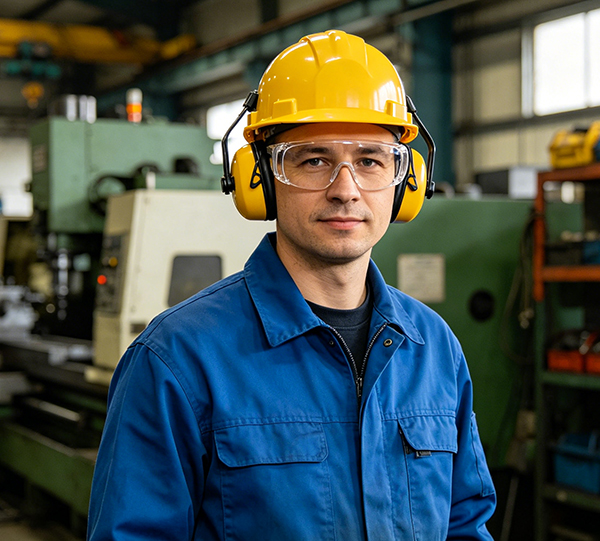
Personal protective equipment (PPE) is the last line of defense against workplace injuries, but even the best safety gear fails if it does not fit properly. That fundamental principle is now codified into law. As of January 13, 2025, the Occupational Safety and Health Administration (OSHA) has officially revised its PPE standards for the construction industry, explicitly requiring that all personal protective equipment “properly fits each affected employee.” While this may seem like a simple clarification, it has profound implications for employers, safety managers, and equipment suppliers across the country.
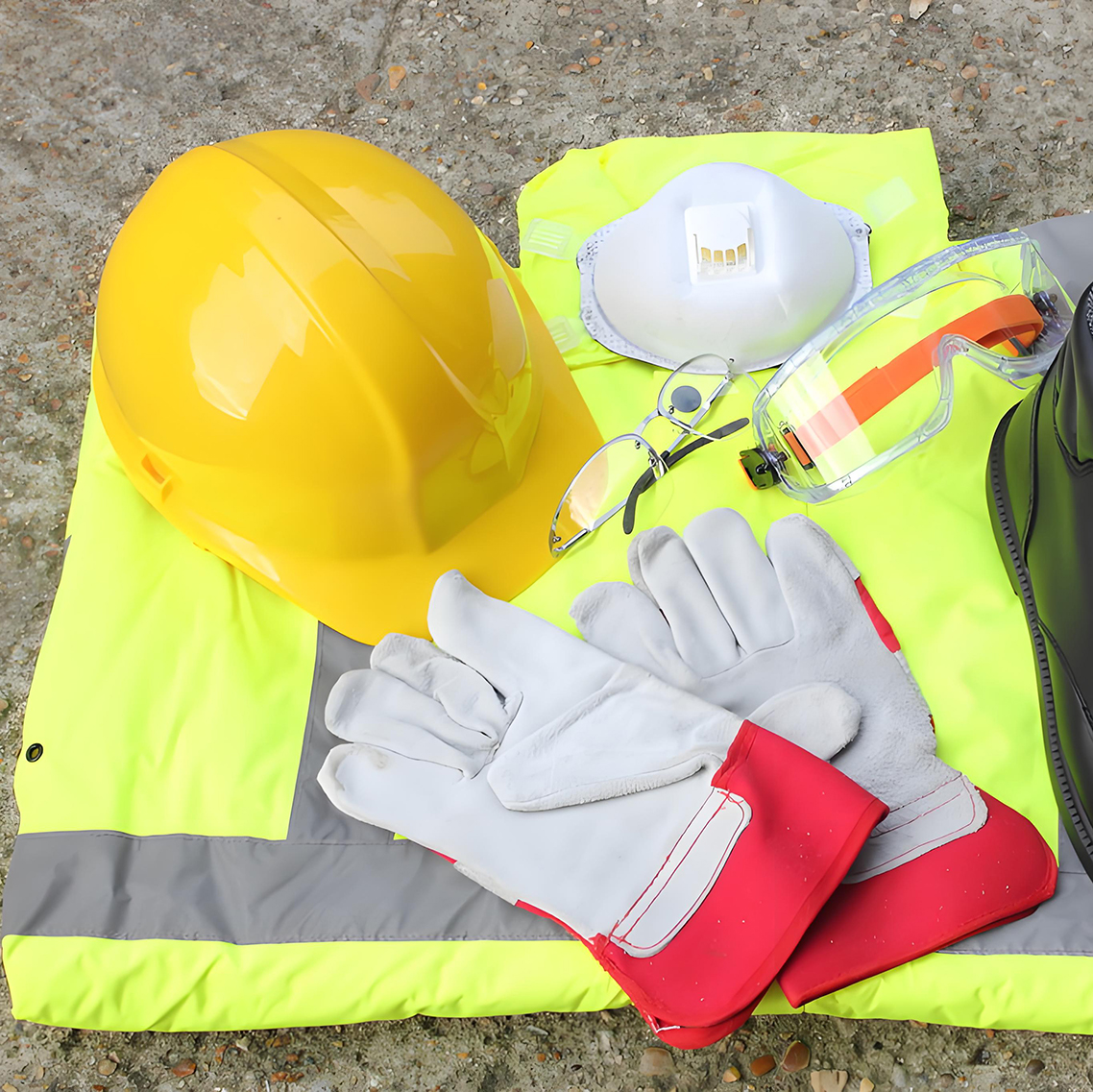
The update finalizes a revision to 29 CFR 1926.95(c), aligning the construction industry’s PPE requirements with those already in place for general industry and maritime sectors. Previously, the standard only mandated that PPE be of “safe design and construction,” leaving vague language around fit and comfort. The new rule eliminates that ambiguity. Employers must now ensure that items such as hard hats, safety glasses, gloves, footwear, respirators, harnesses, and welding helmets are selected based on each worker‘s individual body type and size.
Why did OSHA prioritize this change now? According to Assistant Secretary for Occupational Safety and Health Doug Parker, “PPE must fit properly to work.” For decades, PPE has predominantly been designed around an average-sized male frame, leaving many workers — particularly women and individuals with smaller or larger body types — at a disadvantage. Female construction workers have reported safety concerns due to oversized gloves, harnesses that chafe or fail, and safety glasses that slide down or leave gaps. In one striking example, a safety director noted that some women are forced to “roll up the pant legs and roll up the cuffs and tape them” just to make standard-issue gear minimally functional. Ill-fitting equipment not only compromises protection but can introduce entirely new hazards. Oversized gloves can get caught in rotating machinery; a too-loose hard hat can shift or fall off when a worker looks up; and poorly fitting steel-toed boots can cause tripping or chronic foot pain.
For employers, compliance requires more than just restocking the tool crib. Organizations should begin by auditing their existing PPE inventory to identify gaps in sizing options. Working with suppliers that offer a full range of sizes — including specialty sizes for smaller and larger frames — is essential. Employers must also train workers on the importance of proper fit and encourage them to report any discomfort or equipment issues immediately. Furthermore, fit testing, particularly for respirators, must be documented as part of a formal PPE program.
The benefits of this rule extend beyond regulatory compliance. Properly fitting PPE is more comfortable, which directly increases employee buy-in and usage rates. When workers are not distracted by slipping glasses or pinching gloves, they are more focused and less prone to accidents. As the composition of the workforce continues to diversify, “one-size-fits-all” is no longer acceptable — and the new OSHA rule ensures that safety protection is extended to every single person on the jobsite.
Ultimately, the message is clear: safety is not universal. It is personal. Employers who embrace the new fit requirements will not only avoid citations but will build a safer, more inclusive workplace where every worker returns home unharmed.
A New Chapter in the Post-Pandemic Era: The Personal Protective Equipment Industry Moves Towards an Intelligent, Specialized, and Sustainable Future
Related Article