How to Use Protective Eyewear Correctly
How to Use Protective Eyewear Correctly: A Comprehensive Guide
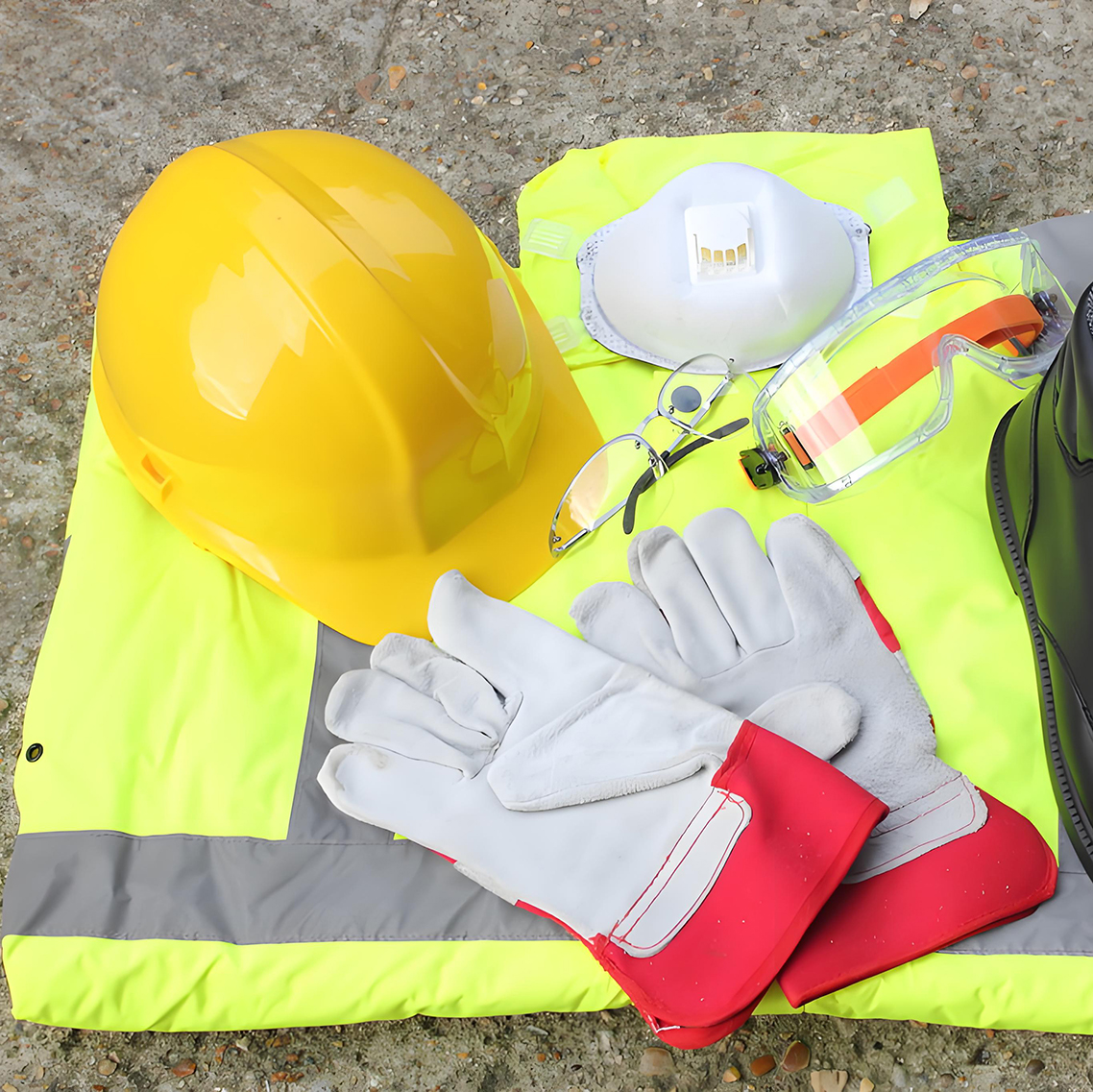
Protective eyewear is essential personal protective equipment designed to shield the eyes from hazards such as flying debris, dust, chemicals, and ultraviolet (UV) radiation. Whether in industrial, laboratory, medical, or everyday settings, using protective eyewear correctly is crucial. Below is a detailed guide on how to choose, wear, and maintain protective eyewear properly.
1. Choosing the Right Protective Eyewear
- Select Based on Purpose:
- Impact-resistant eyewear: Suitable for environments like construction or woodworking where flying debris may occur.
- Chemical splash goggles: Used in laboratories or chemical industries to prevent chemical liquids from splashing into the eyes.
- UV-protective eyewear: Ideal for outdoor work or welding environments with intense light.
- Anti-fog eyewear: Designed for high-temperature or humid environments to prevent fogging that may obstruct vision.
- Ensure Compliance with Standards:
- Choose eyewear that meets international or national standards, such as the European EN 166 or the American ANSI Z87.1 standards.
- Comfort and Fit:
- Ensure the frame fits snugly against the face without gaps.
- Opt for adjustable nose pads and temples to enhance comfort.
2. Wearing Protective Eyewear Correctly
- Inspect the Eyewear:
- Before use, check for scratches, cracks, or stains on the lenses, and ensure the frame is not deformed.
- Clean the Lenses:
- Rinse the lenses with water or a dedicated lens cleaner, and avoid using rough cloths to wipe them.
- Wear Properly:
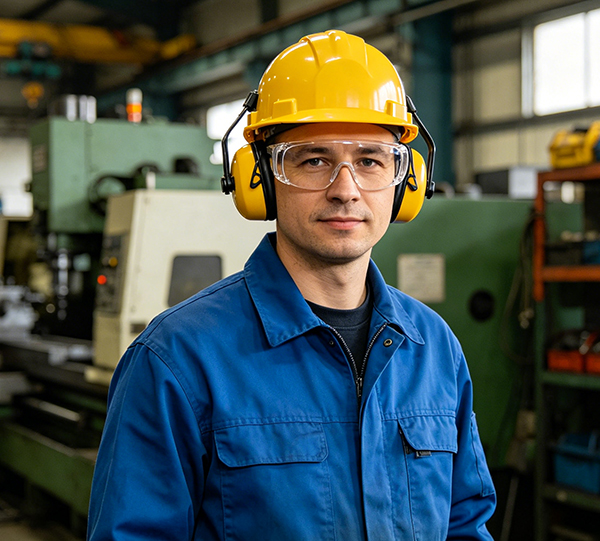
- Place the eyewear evenly on your face, ensuring the lenses fully cover your eyes.
- Adjust the nose pads and temples for a secure and comfortable fit.
- Use with Other Protective Equipment:
- If wearing a mask or face shield simultaneously, ensure compatibility with the protective eyewear to avoid gaps.
3. Precautions During Use
- Avoid Touching the Lenses:
- Minimize direct contact with the lenses while wearing to prevent fingerprints or stains.
- Regular Inspections:
- In high-risk environments, periodically check if the eyewear is loose or damaged.
- Avoid Sharing:
- Protective eyewear is personal protective equipment and should not be shared to prevent cross-contamination or improper fit.
4. Maintenance and Storage
- Cleaning and Disinfection:
- Clean the lenses promptly after use with water and a neutral cleaner, and disinfect with alcohol if necessary.
- Avoid using corrosive chemicals to clean the lenses.
- Proper Storage:
- Store the eyewear in a dedicated case or bag, avoiding placing it lens-side down.
- Keep it in a dry, clean environment, away from high temperatures or direct sunlight.
- Regular Replacement:
- Replace the eyewear immediately if the lenses are severely scratched, cracked, or if the frame is deformed.
5. Frequently Asked Questions
- What to Do if the Eyewear Fogs Up?
- Use an anti-fog spray or gently wipe the lenses with soapy water, then let them air dry.
- How Should Nearsighted Individuals Choose Protective Eyewear?
- Opt for protective eyewear with prescription lenses or wear protective goggles over regular glasses.
- Can Protective Eyewear Block UV Rays?
- Only eyewear labeled with UV protection can effectively block UV rays; standard protective eyewear does not offer this feature.
6. Conclusion
Using protective eyewear correctly not only safeguards your eyes but also enhances work efficiency and safety. Choosing the right eyewear, wearing it properly, and maintaining it regularly are key to ensuring its effectiveness. Whether at work or in daily life, developing good protective habits is essential for maintaining healthy vision.
Ultimate Guide to Passive Noise-Reducing Earmuffs: 20 Professional Techniques for Maximizing Non-Electronic Hearing Protection
A Comprehensive Guide to Proper Safety Goggle Usage
Related Article