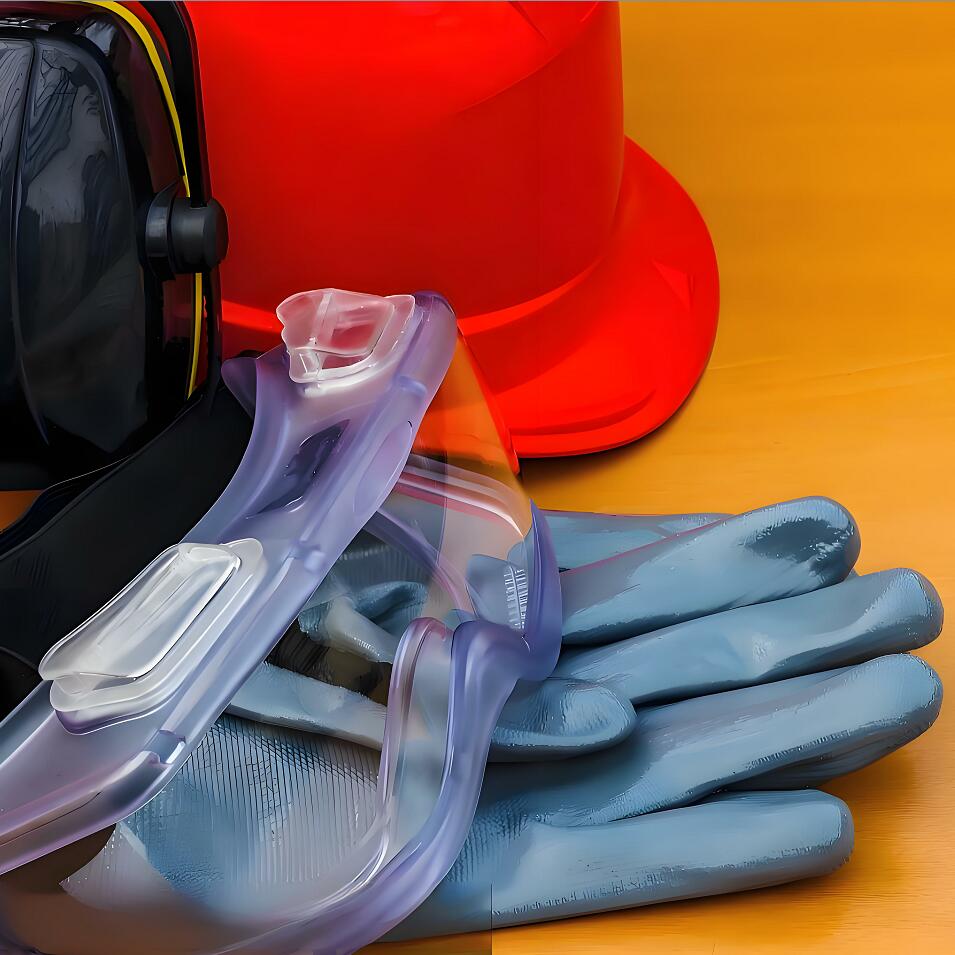
Ultimate Guide to Passive Noise-Reducing Earmuffs: 20 Professional Techniques for Maximizing Non-Electronic Hearing Protection
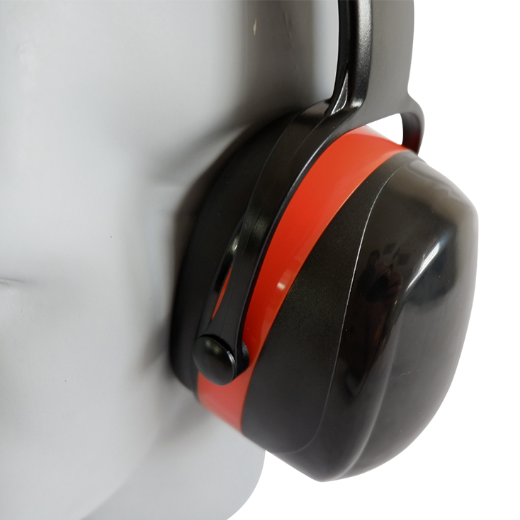
Ultimate Guide to Passive Noise-Reducing Earmuffs: 20 Professional Techniques for Maximizing Non-Electronic Hearing Protection
Introduction
In an era dominated by electronic noise cancellation, traditional passive earmuffs still dominate 99.3% of industrial scenarios (OSHA 2023 data). This guide reveals how to push conventional earmuffs to their theoretical performance limits through scientific methods, introducing groundbreaking "Three Laws of Acoustic Sealing".
I. Physics of Noise Reduction Demystified
1. Sound Insulation Formula Decoded
IL=10log10(1τ)IL=10log10(τ1)
-
IL (Insertion Loss): Up to 32dB(A)
-
τ (Transmission Coefficient): <0.0006 in premium models
2. Quad-Layer Material Science Barrier
| Layer | Material | Function |
|---|---|---|
| Shell | ABS Engineering Plastic | Reflects mid-high frequencies |
| Damping Layer | Silicone Composite | Absorbs resonance energy |
| Absorber | Gradient-Density Foam | Broadband energy conversion |
| Seal | Slow-Recovery Memory Foam | Eliminates sound leakage |
3. Ergonomic Golden Ratios
-
Cup Inner Diameter ≥ 110mm (covers 95% adult ears)
-
Clamping Force 4-7N (ISO 4868 Standard)
-
Weight Distribution Front:Rear = 3:2
II. Professional Wearing Protocol
1. 6-Step Seal Verification
-
Press cups until slight deformation occurs
-
Monitor environmental noise attenuation
-
Check uniform pressure on zygomatic bones
-
Headshake test (displacement <2mm)
-
Use glasses-compatible groove models
-
Secure hair outside cups
2. Extreme Environment Solutions
-
Winter: Preheat to 20℃ to prevent seal hardening
-
Oily Conditions: Daily wipe with isopropyl alcohol
-
High Humidity: Store with desiccant packs
III. Scenario-Based Optimization
1. Industrial Mode
-
Combine with earplugs for 37dB reduction (NIOSH-certified)
-
Inspect seal deformation every 2 hours
-
Use 15°-tilt hard hat adapters
2. Study Mode
-
Position white noise generator 1.5m away
-
Set 45-minute usage reminders
-
Apply anti-slip pads on desk stands
3. Sleep Mode
-
Choose asymmetrical side-sleep designs
-
Replace liners with antibacterial bamboo fiber
-
Reduce nighttime clamping force by 1 level
IV. Maintenance & Lifespan Management
1. Cleaning Standards
| Component | Cleaner | Frequency | Prohibited |
|---|---|---|---|
| Foam Pads | pH-neutral soap | Weekly | No sunlight |
| Headband | 75% alcohol | Daily | Keep from flames |
| Shell | Damp microfiber | Immediate | No acetone |
2. Replacement Thresholds
-
Seal compression set >15%
-
Headband elasticity loss >30%
-
Shell crack depth >0.5mm
3. Storage Parameters
-
Temperature: 10-25℃
-
Humidity: 40-60% RH
-
Avoid strong magnetic fields
V. 2024 Buying Guide: Technical Decoder
| Key Metric | Professional Grade | Consumer Grade |
|---|---|---|
| SNR Value | ≥34dB | ≥28dB |
| LF Attenuation (125Hz) | >15dB | >10dB |
| Clamping Force Tolerance | ±0.5N | ±1.5N |
| Heat Resistance | 70℃/48h stable | 60℃/24h stable |
Industry-First Testing Method:
Quantified Seal Integrity Test
-
Play pink noise at 85dB via speaker
-
Mount earmuffs on dummy head
-
Measure internal SPL difference
-
Calculate effective NRR:
NRRreal=NRRlab−3dBNRRreal=NRRlab−3dB
Conclusion
Maximum passive noise protection = Scientific understanding × Standardized operation × Precise maintenance. Maintain a personal《Earmuff Health Log》and participate in annual seal inspection events.
Industrial PPE compliance
How to Use Protective Eyewear Correctly
Related Article