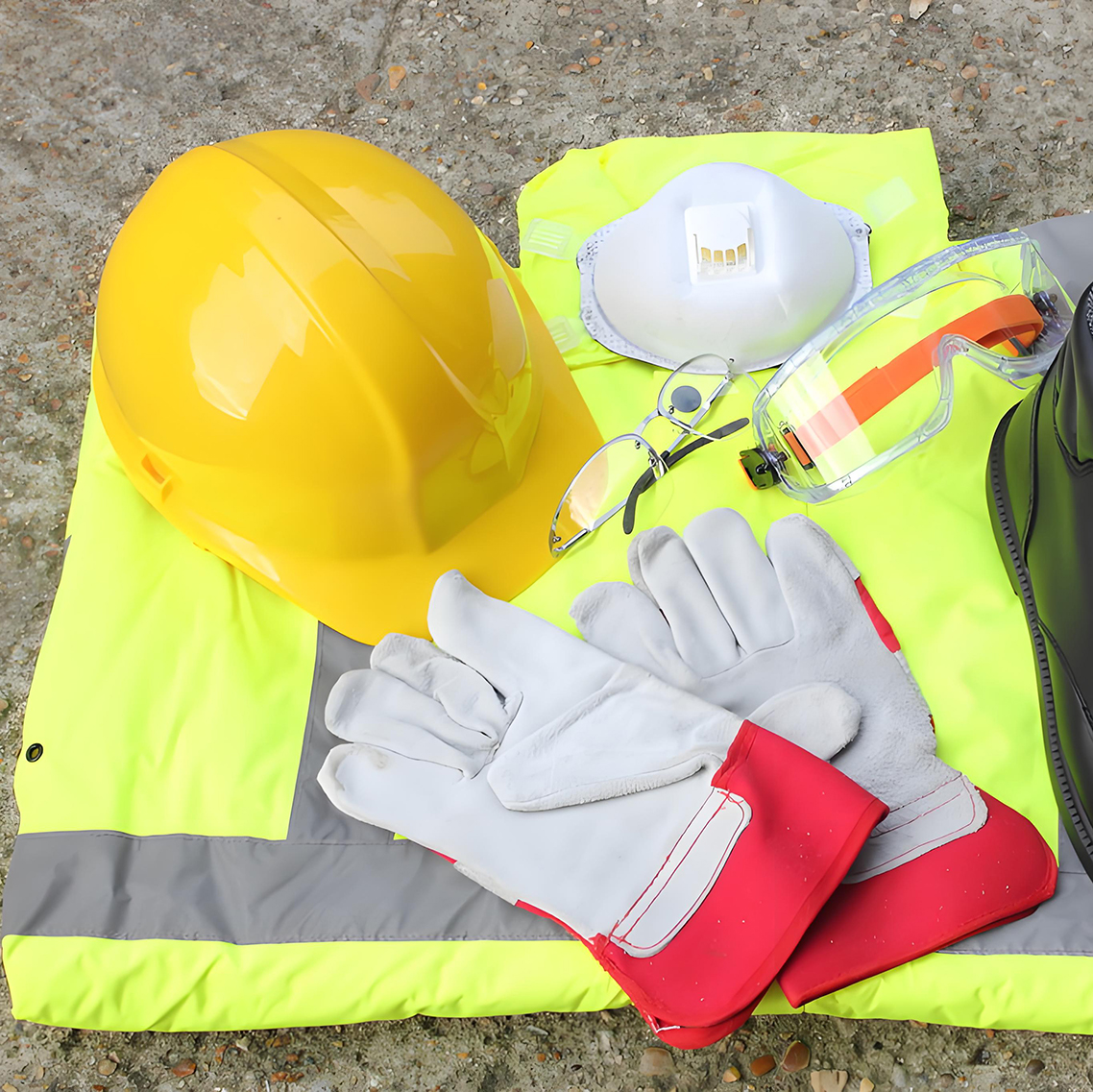
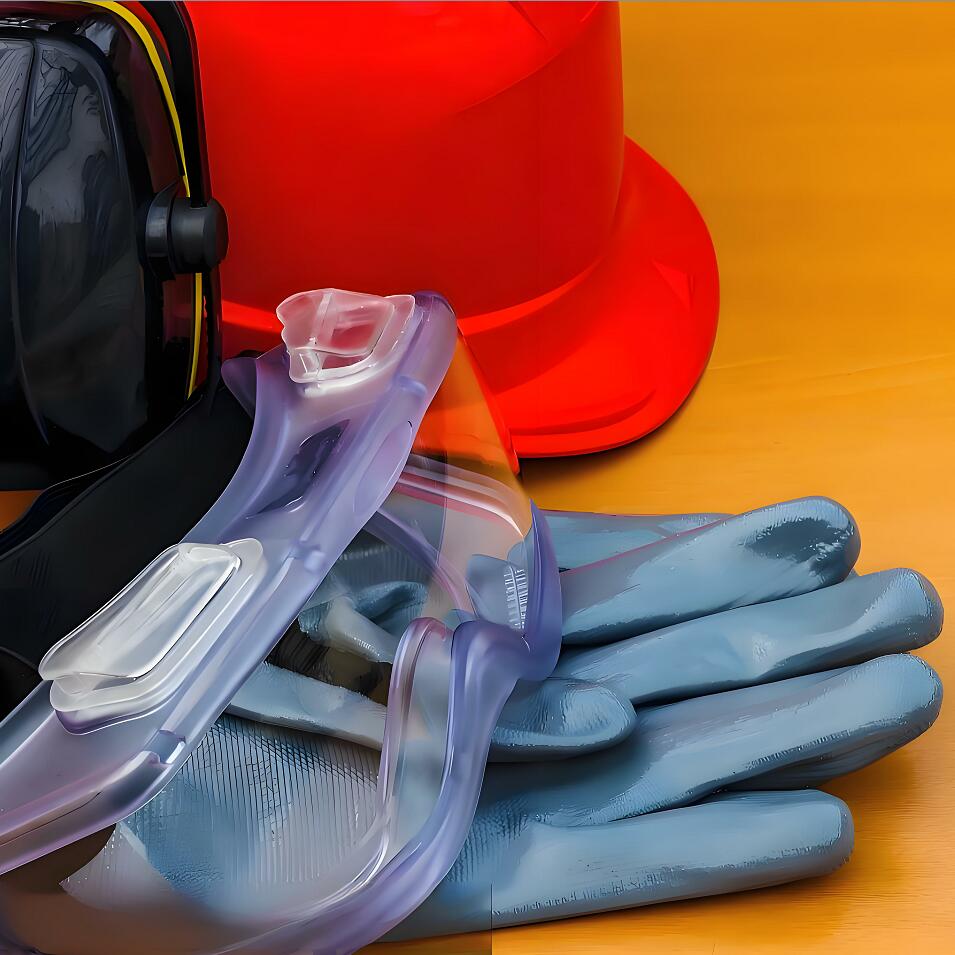
The Essential Value of PPE & 2023 Buyer’s Guide: Your First Line of Defense in Workplace Safety

Introduction: As Safety Becomes a Global Priority, How Is PPE Redefining Protection Standards?
Since the 2020 pandemic, the global personal protective equipment (PPE) market has grown at a CAGR of 17.3% (Source: Grand View Research). From N95 respirators in healthcare to fall protection systems in construction, PPE is no longer just a "compliance tool" but a critical component of corporate social responsibility and personal health management. This article explores the technological advancements, purchasing strategies, and future trends shaping the PPE industry.
Section 1: The Critical Role of PPE – Data-Driven Insights on Protection
-
Reducing Workplace Fatalities
According to OSHA, proper PPE use can lower fatal workplace injuries by 60%. In 2022, North America’s construction sector saw a 34% decrease in fall-related deaths due to full-body harness adoption. -
Cost-Effective Risk Mitigation
A 50cut−resistantglovecanpreventanaverage50cut−resistantglovecanpreventanaverage38,000 medical compensation claim (U.S. Department of Labor). PPE directly impacts corporate risk management. -
Global Compliance Requirements
89 countries mandate PPE use under regulations like EU CE marking and China’s GB standards. The updated ISO 13688:2023 now requires 40% higher breathability for protective clothing.
Section 2: Choosing Cost-Effective PPE: Solving 5 Industry Challenges
Challenge 1: Balancing Protection Level and Comfort
-
Solution: Opt for dual-certified products (e.g., NIOSH+ANSI respirators).
-
Case Study: 3M™ SecureClick™ Respirators achieve N95 protection with 30% weight reduction via modular design.
Challenge 2: Customization for Specialized Environments
-
Chemical Industry: Select butyl rubber gloves with >8-hour chemical penetration resistance.
-
Cold Chain Logistics: Arctic Series cold-resistant gloves maintain flexibility at -50°C.
Challenge 3: Ensuring Supply Chain Reliability
-
Prioritize brands with localized warehouses (e.g., Honeywell’s 4 regional hubs in China).
-
Verify suppliers’ BSCI certifications to avoid stockouts.
Section 3: 2023’s Top 3 PPE Technological Breakthroughs
-
Smart Sensor-Integrated Gear
-
UVEX’s smart helmets with real-time CO sensors trigger alarms at hazardous levels.
-
Market Forecast: Smart PPE to reach $8.2 billion by 2027 (MarketsandMarkets).
-
-
Eco-Friendly Material Innovations
-
DuPont™ Tyvek® bio-based suits reduce carbon footprint by 65%.
-
BASF’s biodegradable mask filters achieve 91% decomposition within 6 months.
-
-
Rise of Gender-Specific PPE
-
Puncture-resistant boots designed for women’s ergonomics surged 217% in sales.
-
Amazon data: "Petite Safety Gloves" ranked Top 5 in Q2 2023 industrial searches.
-
Section 4: Debunking 6 Common PPE Myths
-
Myth: "Higher Price = Better Protection"
Fact: Match PPE to hazard levels (e.g., dust masks ≠ gas respirators). -
Myth: "Reusing Disposable Products"
Fact: 3M tests show N95 filtration efficiency drops to 76% after 5 uses. -
Myth: "One-Size-Fits-All"
Fact: Asian facial structures have 41% better fit rates with region-specific respirators.
Section 5: 3-Step Strategy for Building a Workplace Safety Ecosystem
-
Risk Tier Management
Implement OSHA’s PPE Assessment Matrix (hazard type × exposure frequency). -
Interactive Training Systems
VR simulations boost proper PPE usage to 98% (Stanford University study). -
Digital Inventory Tracking
RFID-enabled lifecycle management cuts costs by 30%.
Conclusion: Safety Is an Investment, Not an Expense
In the era of Industry 4.0 and post-pandemic realities, PPE has evolved from a "cost center" to a "value generator." Partnering with ISO 9001:2015-certified suppliers and adopting science-driven protocols will fortify your organization’s sustainable growth.
Global Safety Glasses Standards Guide: How to Choose Truly Compliant Protective Eyewear?
Industrial Safety Glasses Standards
Related Article