Global Safety Glasses Standards Guide: How to Choose Truly Compliant Protective Eyewear?
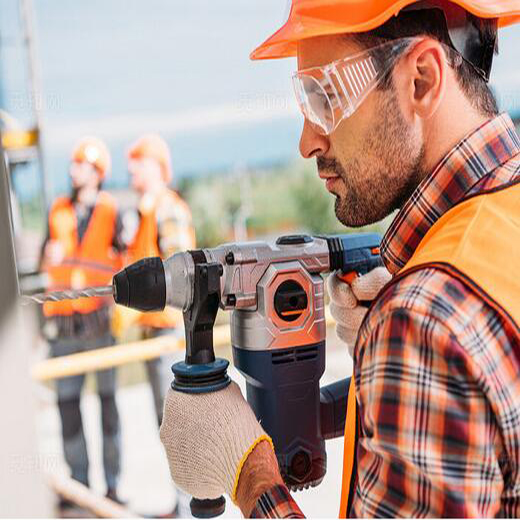
Introduction: When a Metal Shard Becomes a Blindness Hazard – How Safety Glasses Redefine Workplace Safety
According to the International Labour Organization (ILO), over 300,000 permanent vision impairment cases occur annually from workplace eye injuries, with 71% preventable through proper protective eyewear. From welding sparks to chemical splashes, safety goggles aren’t just the last line of personal protective equipment (PPE) – they’re critical for reducing corporate liability costs. This definitive guide decodes global safety glasses standards, exposes purchasing pitfalls, and reveals 2023’s cutting-edge solutions.
Section 1: Blood and Tears – 4 Data Points That Prove Why Standards Matter
-
Impact Resistance Saves Lives
-
ANSI Z87.1 requires lenses to withstand a 6.35mm steel ball at 45m/s – non-compliant products fail 400% more often (OSHA Lab)
-
Real-World Proof: MIL-PRF-31013-certified lenses blocked 120-joule impacts in a 2022 Texas factory accident
-
-
Anti-Fog Tech Ensures Continuous Protection
-
German BG Bau Institute found fogged lenses increase worker removal rates to 83%
-
Dual-sided anti-fog coatings (e.g., 3M™ Scotchgard™) extend effective use by 2.3x
-
-
Side Protection Coverage Differences
-
EN 166 mandates ≥80° lateral coverage – non-compliant designs cause 27% of side injuries (EU ESF Report)
-
-
Chemical Resistance Dictates Lifespan
-
Cheap PC lenses crack in 15 minutes under butyl acetate vs. Trivex® surviving 72+ hours
-
Section 2: Decoding Global Safety Glasses Standards (With Comparison Table)
1. North America: ANSI/ISEA Z87.1-2020
-
Key Requirements:
-
Basic Impact (Z87): Passes 127cm steel ball drop test
-
High Impact (Z87+): Resists 152m/s particles & intense radiation
-
-
Marking Guide: "Z87+ D3" indicates anti-fog + liquid splash protection
2. Europe: EN 166-2001
-
Protection Codes:
-
Mechanical Strength: F (45m/s), B (120m/s), A (190m/s)
-
Anti-Fog Level: 3 (passes 10-minute steam test)
-
-
Specialized Certifications:
-
Laser protection requires EN 207 compliance (e.g., 10600nm CO2 laser labeling)
-
3. Australia/NZ: AS/NZS 1337.1:2021
-
Unique Demands:
-
UV Blocking ≥99% (Australia has Earth’s highest UV index)
-
Frame sweat resistance: No corrosion after 24hrs in artificial perspiration
-
Global Standards Comparison
| Feature | ANSI Z87.1 | EN 166 | AS/NZS 1337 |
|---|---|---|---|
| Basic Impact | Z87 | S | Medium Impact |
| High-Speed Particles | Z87+ | F/B/A | High Impact |
| Anti-Fog | D3 | Numeric 3 | Anti-Fog |
| UV Protection | U6 | 2C-1.2 | UV400 |
Section 3: 6 Golden Rules for Choosing 2023 Safety Eyewear
-
Scenario-Specific Selection
-
Welding: Use shade #5-#13 IR/UV lenses (ANSI Z87.1-2020 Appendix B)
-
Labs: Require EN 170 UV + EN 168 chemical splash certification
-
-
Ergonomic Quadrant Evaluation
-
Nose Pad Pressure: <15g/mm² (ISO 18527-2:2020 comfort standard)
-
Headband Tension: Adjustable silicone bands improve fit rates by 67%
-
-
Triple-Layer Lens Tech
-
Photochromic: ZEISS Photofusion® adapts to UV intensity in 0.3 seconds
-
Anti-Static Coating: Reduces 90% dust adhesion (ASTM F659)
-
Laser Protection: 0.5mm PC + ITO coating blocks specific wavelengths
-
Section 4: Game-Changers – 3 Technological Revolutions in Protective Eyewear
-
Smart HUD Goggles
-
Microsoft HoloLens 2 Industrial: AR overlays reduce 30% eye movement risks
-
Market Forecast: 18% smart eyewear adoption by 2025 (ABI Research)
-
-
Self-Healing Lens Materials
-
Nissan’s ASCENT™: Repairs 0.2mm scratches in 2 minutes
-
-
Sustainable Innovations
-
Hain Group BioNXT Frames: 56% castor oil bioplastic cuts carbon footprint by 42%
-
Section 5: Deadly Myths – 3 Compliance Details 90% Buyers Miss
-
Myth: "All safety glasses block UV"
-
Truth: Only UV400 or EN170 2C-1.2 products block 99%+ UVA/UVB
-
-
Myth: "Darker lenses = better protection"
-
Proof: Gray (15% VLT) & amber (78% VLT) lenses have identical UV blocking
-
-
Myth: "One pair fits all scenarios"
-
OSHA 1910.133(b): Employers must provide task-specific eyewear
-
Section 6: 3-Step Strategy for Building Corporate Eye Safety
-
Risk Matrix Analysis
-
Use AI tools like SafetyCulture iAuditor for automatic protection matching
-
-
Personalized Fit Management
-
3D facial scanning boosts proper fit rates from 68% to 94% (Harvard Study)
-
-
Digital Lifecycle Tracking
-
RFID tags monitor usage hours, auto-alert replacements (23% lifespan extension)
-
Conclusion: Protecting Vision Protects Your Business Future
As Industry 4.0 accelerates, safety glasses have evolved from basic PPE to productivity guardians. Partnering with ISO 9001 & 13485-certified suppliers and updating EHS protocols is now a strategic imperative.
The Ultimate Welding Helmet Guide: 2023 Selection Criteria, Tech Innovations & Deadly Myths Exposed
The Essential Value of PPE & 2023 Buyer’s Guide: Your First Line of Defense in Workplace Safety
Related Article